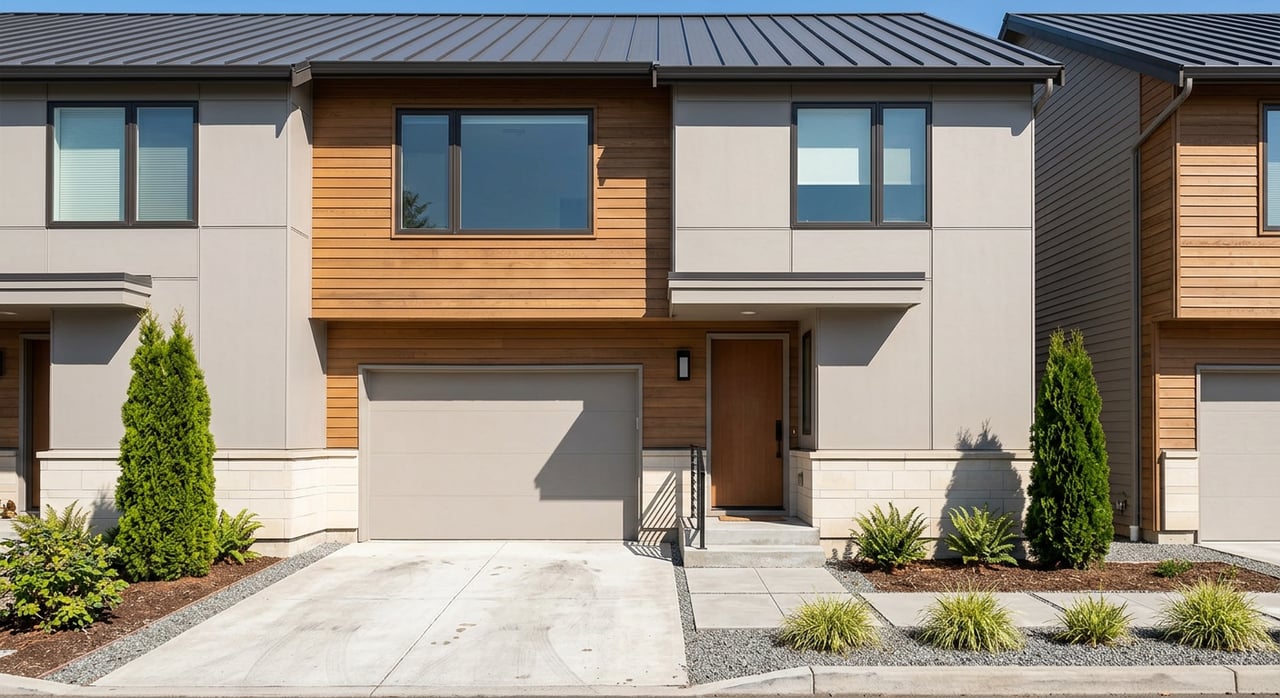
If you want Eastside convenience without weekend yard work, a Newcastle townhome can hit the sweet spot. You stay close to Bellevue and Renton, enjoy local parks and trails, and trade big exterior projects for simpler upkeep. In this guide, you’ll learn what townhome living looks like in Newcastle, how HOAs and dues work, and the key questions to ask before you buy. Let’s dive in.
Why Newcastle townhomes work
Newcastle sits on the hills just south of Bellevue and north of Renton, roughly 6 to 7 miles from downtown Bellevue. That near‑Eastside location keeps your commute and daily drives efficient while offering a quieter residential feel. You can confirm the city’s location and context on the Newcastle city page.
You will find local outdoor perks that add to everyday life. Lake Boren Park, Newcastle Beach Park, and nearby trails give you easy options for fresh air. The city is also known for the Golf Club at Newcastle, which often shows up in listing descriptions. If you want a quick visual of the area’s namesake lake, see Lake Boren.
Commutes are a common reason buyers choose Newcastle. Local profiles show average commute times in the high‑20‑minute range, reflecting strong Eastside job access and proximity to I‑405. Bus and feeder route planning tied to East Link Connections is designed to improve rail and bus links to Bellevue and Redmond. Actual drive times will vary by time of day, but many buyers pick Newcastle to shorten Eastside commutes compared to farther south or southeast suburbs.
For families comparing addresses, parts of Newcastle fall within the Issaquah School District and parts within the Renton School District. Boundaries can change with reviews, so always verify a specific address directly with the district. You can start with the Newcastle Elementary site for Issaquah SD information. Keep your research neutral and fact‑based, and verify attendance areas for each listing you consider.
What “townhome” means here
Fee‑simple vs condo‑titled
On the Eastside, “townhome” describes how a home looks and lives, not just how it is owned. Your unit could be:
- Fee‑simple: You own the home and the land beneath it, even if it shares walls. HOAs may still exist to maintain shared areas.
- Condo‑titled: You own the interior airspace of your unit plus a share of common elements. The HOA typically maintains exteriors and common areas.
- PUD or site‑condo: A hybrid structure that can blend elements of both.
This matters for financing, insurance, disclosures, and your maintenance responsibilities. Ask your agent and lender to confirm the title structure on any listing you like, since different loan programs treat condo projects differently.
Typical layouts and sizes
Newcastle townhomes often span two or three levels with 2 to 3 bedrooms and roughly 1,200 to 2,400 or more square feet in many resale communities. Newer, higher‑end builds can reach 2,000 to 3,500 plus square feet and add features like two‑car garages, multiple suites, finished lower levels, or rooftop decks. When you tour, pay attention to how the floor plan handles storage, parking, and outdoor space, since those details affect how the home lives.
New builds vs resale
Developers have increasingly targeted “house‑like” townhomes that deliver more space and privacy with lower exterior upkeep. One example is Cambridge Manor, marketed near Newport High School and Coal Creek Parkway. Newer projects may offer modern systems, energy‑efficient features, and warranties. Resale communities often come with established landscaping and potentially lower entry prices, but they can vary in finishes and may have different HOA scopes. Ask for the age of roofs and siding, and check whether big capital projects are planned or recently completed, since that can influence dues and assessments.
HOAs, dues and insurance
Washington’s community association laws guide how many townhome and condo communities are run. The Washington Uniform Common Interest Ownership Act (WUCIOA), found in RCW 64.90, sets rules around governance, budgets, and disclosures. You can learn more on the WUCIOA overview. Older communities may be governed by previous statutes until they transition, so it helps to know which framework applies to your specific HOA.
Washington also requires a resale disclosure package, often called a resale certificate. This packet gives you the HOA’s governing documents, budget, reserves, insurance details, and more. Ask for it early in your due diligence so you have time to review. Get a quick primer on what is included from this resale certificate resource.
What dues often cover
HOA coverage varies by community and title type. Many condo‑titled townhomes include exterior maintenance, common‑area insurance, landscaping, and private road upkeep in monthly dues. Some associations cover utilities like trash, irrigation, or even water. Fee‑simple townhomes in a planned community might have lower dues that focus on shared landscaping or private lane maintenance. Always confirm the budget line items and the CC&Rs so you know exactly what you are paying for.
On the Eastside, monthly dues often range from about 150 to 600 dollars per month depending on amenities, coverage, and age of the community. Luxury or amenity‑heavy communities can be higher. Treat this as a starting point and verify each listing’s current dues and scope.
Reserves and special assessments
Healthy reserves help an HOA fund big projects without sudden, large assessments. Ask whether there is a recent reserve study, the current reserve balance, and the timing of major work like roofing, paving, or siding. Washington’s disclosure rules require budget and reserve information in resale materials. If reserves are low or special assessments have been common, factor that into your total cost of ownership.
Insurance basics to confirm
Most condo‑titled associations carry a master policy that covers common elements and building exteriors, but the scope and deductibles vary. You will likely need an HO‑6 or equivalent unit‑owner policy for interior finishes, personal property, and liability. With fee‑simple townhomes, you may carry a more traditional homeowner’s policy and rely less on an association master policy. Either way, request the master policy declarations and deductible schedule. Large deductibles can shift risk to individual owners.
Commute, transit and daily life
Being about 6 to 7 miles from downtown Bellevue keeps routine trips manageable and helps you stay connected to the Eastside job core. Many residents report commute times around 27 to 28 minutes on average, though that depends on time of day. Bus feeder routes and East Link Connections planning are intended to improve connections to rail in Bellevue and Redmond. If commute time is a top priority, test your route during peak hours, then compare options that balance proximity, budget, and HOA scope.
Day to day, you can reach groceries, coffee, and dining along Coal Creek Parkway and nearby retail hubs. Trails, Lake Boren Park, and local greenbelts make it easy to get outside without a long drive.
Parking, pets and rules to confirm
Parking can vary widely by complex. Many Newcastle townhomes include an attached two‑car garage and limited guest parking. Others rely on assigned surface spaces or street parking with restrictions. CC&Rs and rules often set guidance for guest time limits, overnight parking, and commercial vehicles. A sample HOA disclosure, such as the Carnahan Crest resale certificate, shows how parking policies are documented. Ask for a parking map, guest policy, and any enforcement notes in the last 12 to 24 months of minutes.
Pet policies can range from open to restrictive. Some HOAs set breed or weight limits or require registration. Again, the resale package should include the current rules and any updates. Confirm whether there are pet counts per unit, leash rules, and any fees or deposits.
Financing for townhomes
Financing can differ based on whether the home is condo‑titled. Certain loans require that the condominium project meet program standards, or you may use a single‑unit approval path. For fee‑simple or PUD townhomes, project approval is often not required, but this is lender‑specific. If you plan to use FHA, VA, or a GSE‑backed loan, have your lender check project eligibility early. For a deeper dive into how programs view condos and attached housing, review this loan program overview and discuss the details with your lender.
Buyer due diligence checklist
Use this list to organize your review during the inspection window:
- Request the full resale package: CC&Rs, bylaws, rules and regulations, current operating budget, financials, insurance declarations, master policy, reserve study, minutes from the last 12 to 24 months, and any notices of pending litigation or code issues. Start with this resale certificate primer if you want a refresher on what to expect.
- Confirm title type: Ask whether the townhome is fee‑simple, condo‑titled, or a PUD/site‑condo, then have your lender confirm how that affects your loan.
- Itemize monthly dues coverage: Verify whether water, sewer, trash, exterior insurance, landscaping, roof replacement, or road maintenance are included.
- Check reserves and projects: Review the reserve study and budget notes for planned projects or assessments over the next 3 years.
- Verify parking: Get assigned stall numbers, garage specs, guest policy, and any overnight permit requirements.
- Review pet rules: Note any size or breed limits, registration steps, and enforcement history.
- Ask about litigation and code issues: Confirm any pending lawsuits or violations and how the HOA plans to address them.
- Confirm management: Identify the property management company and request recent board minutes to see real examples of decisions and enforcement.
- Line up inspections: In addition to a general inspection, consider focused reviews of roof and flashings where units meet, gutters and drainage, party‑wall conditions, ventilation and HVAC in stacked layouts, and a sewer scope where applicable. If any shared‑wall claims exist, a structural engineer’s review can provide peace of mind.
Townhome vs single‑family in Newcastle
Both choices can work in Newcastle. Here is how to think about the trade‑offs:
- Maintenance: Townhomes often shift exterior care to the HOA, which can save you time. Single‑family homes give you full control but also full responsibility.
- Cost predictability: HOA dues add a monthly line item but can reduce surprise exterior costs if reserves are healthy. Single‑family costs vary by age and condition of the home and site.
- Space and privacy: Many townhomes live large, but you will share at least one wall. Single‑family homes can offer bigger yards and more separation.
- Location efficiency: Townhome communities often cluster closer to job centers and arterials. Single‑family homes at the same price may be farther out or need more updates.
If you want near‑Bellevue access with less exterior upkeep, a townhome can be a smart fit. If a private yard, outbuildings, or full control over exterior changes matter most, a single‑family home may be better.
Next steps
If a Newcastle townhome is on your shortlist, request the resale package and HOA documents as soon as you are serious about a listing. Confirm title type, dues coverage, reserves, parking, and pet rules early. If you are comparing options, ask for active listings that match your must‑haves like bed count, garage size, HOA fee range, and school boundary.
Ready to see what is available and get a clear plan for due diligence? Connect with Abby Quinto to schedule a consultation and request current HOA documents and live listings that fit your goals.
FAQs
What defines a townhouse vs a condo in Newcastle?
- In Newcastle, “townhome” describes the style, while the ownership can be fee‑simple, condo‑titled, or a PUD. Ownership type affects financing, insurance, and what the HOA maintains.
How much are typical HOA dues for Newcastle townhomes?
- Eastside townhome and condo dues commonly run about 150 to 600 dollars per month, depending on amenities and coverage. Always verify each community’s current budget and scope.
What does a resale certificate include in Washington?
- The resale certificate usually includes CC&Rs, bylaws, rules, budget, financials, insurance details, reserve information, minutes, and disclosures on litigation. Ask for it early.
How do parking and guest policies work in townhome HOAs?
- Policies vary. Many units have attached garages and limited guest spots, with rules on overnight or visitor parking. Request an assigned‑parking map and written guest policy.
Are Newcastle townhomes eligible for FHA or VA loans?
- If the project is condo‑titled, eligibility depends on project approval or single‑unit approval options. Have your lender check the project status before you make an offer.
How should I verify school boundaries for a Newcastle address?
- Check directly with the district for the most current boundaries and attendance areas. Start with the Issaquah School District’s Newcastle Elementary site and confirm for each address.