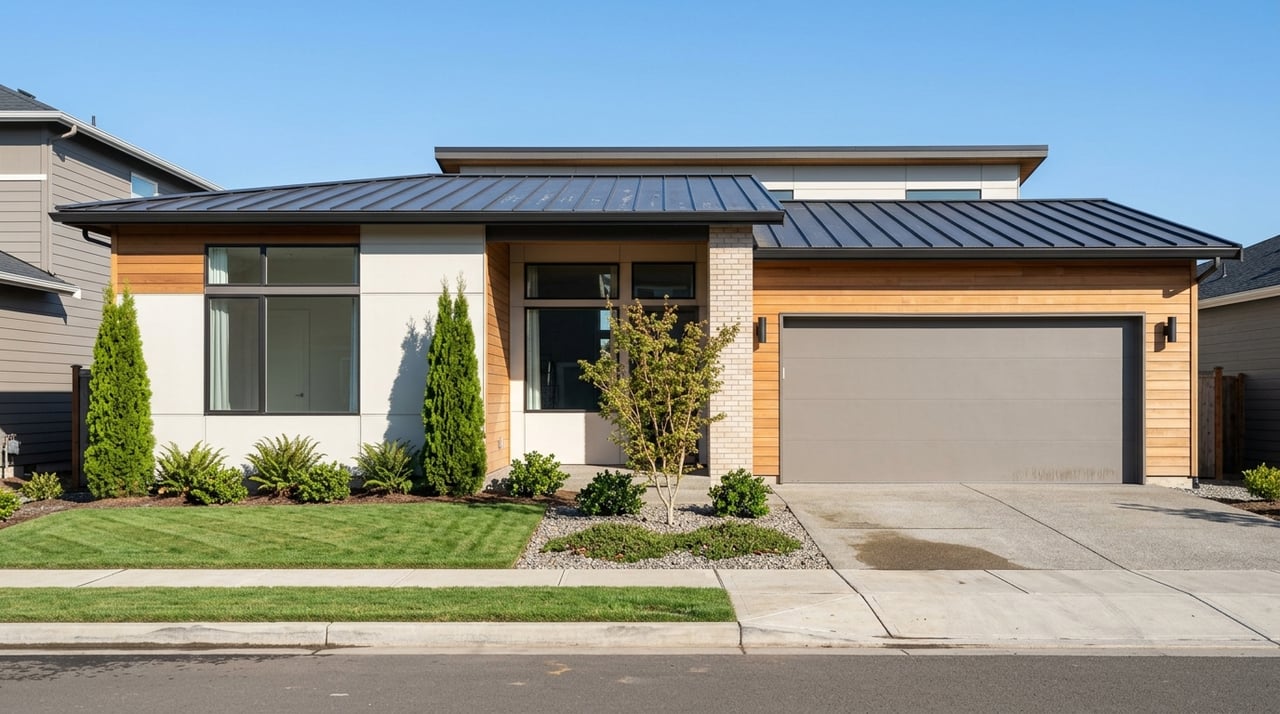
Wondering how to sell your home in Kent without missing a key step or leaving money on the table? If you are thinking about listing soon, the good news is that Kent remains a competitive market, but success still depends on smart pricing, strong presentation, and a clear plan from day one. This guide walks you through what to expect, what to prepare, and how to move through the process with more confidence. Let’s dive in.
Understand the Kent market first
Before you list, it helps to know what kind of market you are stepping into. Over the three months ending in May 2026, homes in Kent sold in about 14 days on average, received around 2 offers, and had a median sale price of $664,602. The median price per square foot was $350.
That tells you two important things. First, buyers are still active in Kent, and many homes receive multiple offers. Second, the market is not quite as extreme as the tight seller conditions of the last few years, so pricing and presentation matter more than ever.
At the regional level, NWMLS reported 3.44 months of inventory in May 2026. That is still below what many people consider a balanced market, but it also suggests buyers may have a bit more choice than they did before. If you want a strong result, your home needs to come to market in a way that feels polished and well-priced from the start.
Start with pricing and net proceeds
Your first step is not putting a sign in the yard. It is building a pricing strategy based on recent comparable sales, current competition, likely days on market, and your estimated net proceeds.
In Kent, that first week on the market matters a lot. Since homes are still selling quickly, your list price and launch strategy can shape how many buyers show interest right away. A home that is priced well and presented clearly has a better chance of creating momentum early.
It is also smart to review an estimated net sheet before listing. That helps you see your likely sale proceeds after common seller costs such as excise tax, escrow-related charges, title costs, loan payoff, and other settlement items. Knowing your numbers early can make your next move easier to plan.
Prepare your home for market
Once you have a pricing plan, the next step is preparation. Buyers often make quick judgments, especially in a market where homes can go pending fast, so your home should feel clean, cared for, and ready to show.
A solid pre-listing plan often includes:
- Decluttering rooms and storage areas
- Completing small repairs
- Deep cleaning the home
- Improving curb appeal
- Reviewing staging options and layout
- Scheduling professional photography and marketing preparation
This stage is about helping buyers picture the home clearly and reducing distractions. Even in a competitive market, presentation can affect both the speed of the sale and the strength of the offers you receive.
Gather disclosures and paperwork early
In Washington, sellers of most improved residential properties are required to provide a seller disclosure statement, commonly called Form 17, unless the transfer is exempt or the buyer expressly waives it. This requirement applies broadly to houses, condos, manufactured homes, and residential common-interest communities.
Under Washington law, the seller typically delivers the completed disclosure within five business days after mutual acceptance unless the parties agree otherwise. After receiving it, the buyer generally has three business days to accept or rescind.
This is one reason it helps to gather information before you list. If you already know the details of your home’s condition, systems, upgrades, and past issues, you can complete the process more smoothly and reduce the chance of last-minute stress.
If you learn new information before closing that makes the disclosure inaccurate, Washington law requires you to amend it. In that situation, the buyer may again have a three-business-day rescission right unless the issue is corrected at least three business days before closing.
Launch your listing strategically
When your home goes live, the goal is not just to be seen. It is to make the right first impression with the right buyers. In Kent, where many homes receive multiple offers, your launch strategy can shape how competitive the response becomes.
That is where premium presentation matters. Strong photography, thoughtful marketing, accurate pricing, and a clear showing plan can help your home stand out in a busy search environment.
Redfin notes that average homes in Kent sell around list price, while hot homes can go pending in about 5 days and sell for about 1% above list. That does not mean every home will follow the same pattern, but it does show why your first few days on market are especially important.
Show your home and review offers carefully
Once buyers start touring the home, your focus shifts to offer review. This is where many sellers assume the highest price is always the best choice, but the full picture matters.
When reviewing offers, consider:
- Purchase price
- Financing terms
- Contingencies
- Requested closing timeline
- Possession timing
- Repair or credit expectations
In a competitive Kent market, terms and timing can be just as important as the headline price. A clean offer with fewer complications may put you in a stronger position than a higher offer with more risk.
Expect inspection and appraisal negotiations
After mutual acceptance, the transaction moves into the next phase. This often includes inspection, appraisal, and financing milestones that can affect the final terms of the sale.
The Washington disclosure form itself advises buyers to seek qualified inspections and professional advice. That makes the inspection period a common point for negotiation, especially if the buyer asks for repairs, credits, or other changes after learning more about the property.
If issues come up, try to stay focused on the bigger picture. Some requests may be manageable, while others may need a closer review of cost, timing, and impact on closing.
The appraisal can also matter if the buyer is financing the purchase. If the appraised value comes in lower than expected, the parties may need to renegotiate price, buyer cash contribution, or other terms.
Plan for seller closing costs in Kent
A smart sale plan includes a clear look at closing costs. While some costs are negotiable and contract-specific, there are several seller-side expenses that commonly appear in Washington transactions.
Typical seller costs may include:
- Real estate excise tax
- Owner’s title insurance policy
- Half of the escrow fee
- Real estate compensation
- Utility payoffs
- Loan payoff balance
- Prorated property taxes
- HOA-related fees, if applicable
One of the biggest predictable costs for many Kent sellers is real estate excise tax, also called REET. In King County, the tax must be paid before the conveyance documents can be recorded, and the county says the seller typically pays it.
Washington’s state REET is graduated. At a sale price in today’s Kent median range, the state portion usually falls in the 1.28% bracket. Kent also has a 0.50% local REET rate, so this is an important line item to include in your net proceeds planning.
If your home is in an HOA or condo association, ask early about resale certificates, transfer fees, and prorated dues. Those items can show up on the settlement statement and are easier to manage when you know about them in advance.
Coordinate your move before closing
Selling your home is only part of the process. You also need a plan for what happens next, especially if you are buying another home, relocating, or trying to line up possession dates.
A few steps can make the transition smoother:
- Confirm your preferred closing window early
- Decide whether you need overlap between homes
- Reserve movers in advance
- Schedule utility transfers
- Update your address and service accounts
- Review possession timing in the contract
This part of the process often gets less attention than pricing or marketing, but it matters just as much to your overall experience. A strong transition plan can reduce stress and help you avoid rushed decisions at the end.
Why a guided process matters
Kent is still a strong market for sellers, but that does not mean every listing gets the same result. The sellers who tend to do well are the ones who prepare early, price thoughtfully, understand Washington disclosure rules, and make informed decisions when offers and negotiations come in.
That is where local guidance can make a real difference. When you have a clear strategy, responsive communication, and detailed support from listing prep through closing, it becomes much easier to move forward with confidence.
If you are thinking about selling in Kent, working with a broker who combines local South King County knowledge, strong marketing, and a hands-on approach can help you make the most of your timing and your home’s value. When you are ready to talk through pricing, preparation, or your next move, connect with Abby Quinto.
FAQs
How long does it take to sell a home in Kent?
- In Kent, homes sold in about 14 days on average over the three months ending in May 2026, though your timeline can vary based on pricing, condition, and buyer demand.
What seller disclosures are required in Washington when selling a Kent home?
- Sellers of most improved residential properties in Washington must provide a seller disclosure statement called Form 17 unless the transfer is exempt or the buyer expressly waives it.
What happens if a buyer’s inspection finds problems in a Kent home sale?
- The inspection period is a common time for negotiations, and buyers may request repairs, credits, or other contract changes based on what they learn.
What closing costs should Kent home sellers expect?
- Common seller costs may include excise tax, owner’s title insurance, part of the escrow fee, real estate compensation, loan payoff, utility payoffs, prorated taxes, and HOA-related charges when applicable.
How much is real estate excise tax for a Kent home sale?
- For many Kent sales near the current median price range, the state REET usually falls in the 1.28% bracket, and Kent also adds a 0.50% local REET rate.
Should Kent sellers focus only on the highest offer price?
- No. In a competitive market, you should also compare financing, contingencies, closing timeline, and other terms that can affect how smoothly the sale reaches closing.