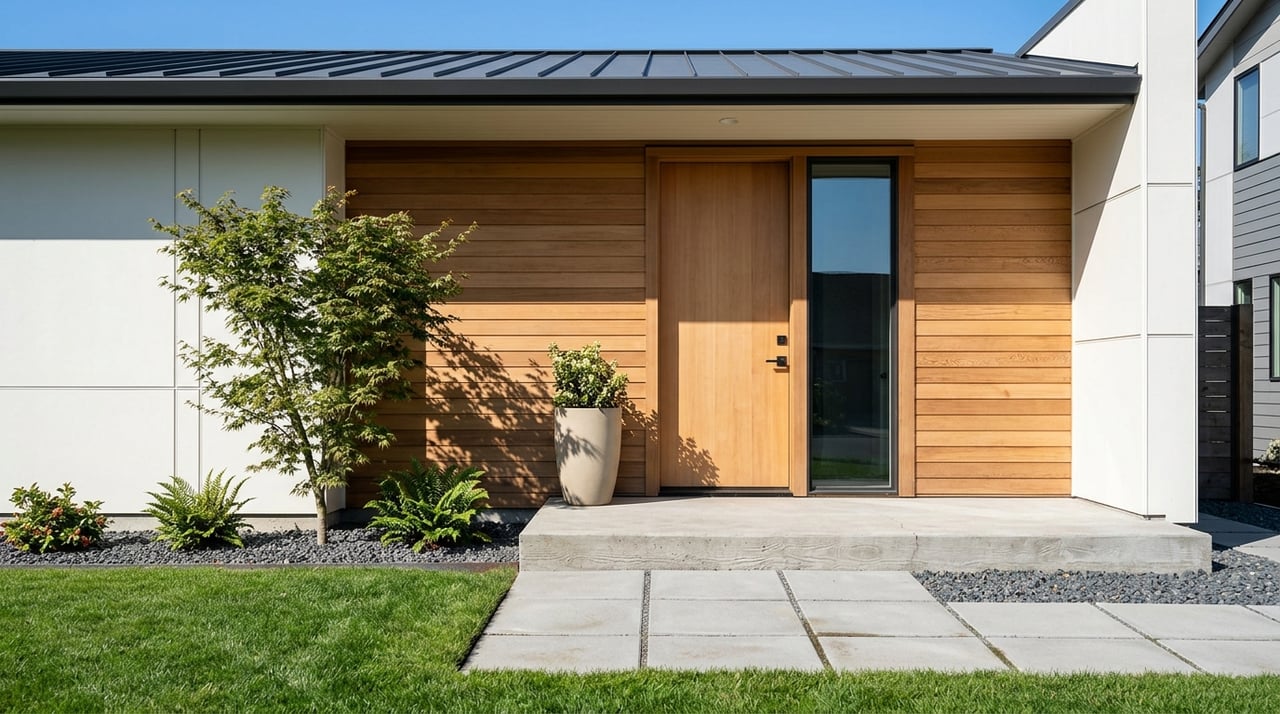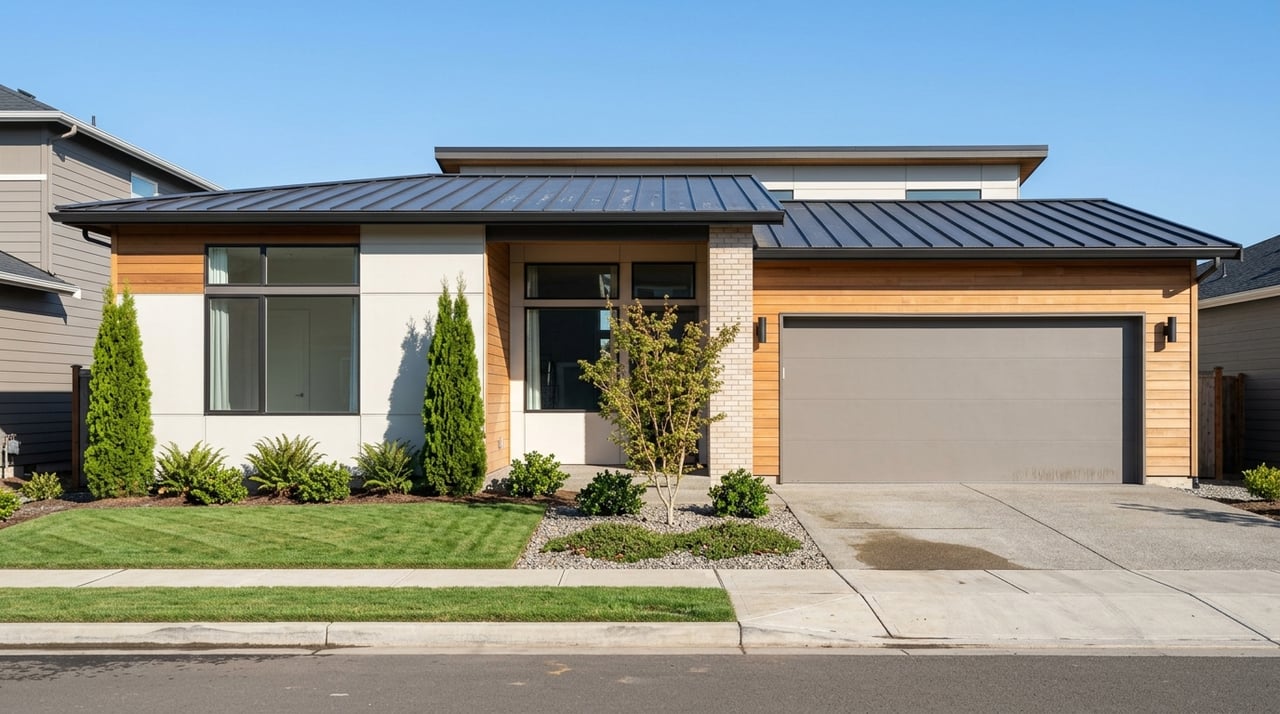
If you are getting ready to sell a Newcastle townhome or condo, you may be wondering whether the biggest challenge is price, timing, or competition. In reality, attached-home sales often come down to something more specific: paperwork, presentation, and pricing working together. When you know what buyers and lenders will look for before your home hits the market, you can avoid delays and position your listing more confidently. Let’s dive in.
Newcastle attached-home market today
Newcastle remains a high-price market, but that does not mean every townhome or condo will sell the same way. Recent market data places Newcastle in the upper price tier of King County, with Realtor.com reporting a May 2026 median listing price of $1.35 million, a median sold price of about $1.585 million, 109 active listings, 35 days on market, and sales at about 100% of list price.
At the same time, attached-home inventory appears relatively thin. Redfin shows just 4 townhouses for sale at a median listing price of $1.17 million and 17 condos for sale at a median listing price of $400,000. That smaller pool means buyers may look very closely at your specific community, monthly dues, building condition, and how your home compares to the few other options available.
Realtor.com also describes Newcastle as a balanced market. That is an important detail for sellers because it suggests you cannot rely on demand alone. Pricing discipline, clean presentation, and organized documents still matter.
Why condo and townhome sales feel different
Selling an attached home is not exactly like selling a detached house. Buyers are evaluating not only your unit, but also the association, the shared elements, and the long-term financial picture tied to the property.
That means your listing often gets questions early about HOA dues, reserve funding, upcoming repairs, special assessments, insurance, rules, and financing. In many Newcastle condo and townhome sales, these details affect buyer confidence just as much as the kitchen finishes or the paint color.
This is also why two similar-looking homes can get very different buyer reactions. If one unit has strong records, clear reserves, and fewer open questions, it may feel safer and more attractive to both buyers and lenders.
Expect more paperwork than a typical sale
One of the biggest things to expect when listing your Newcastle townhome or condo is a more document-heavy process. In Washington, sellers of residential real property generally must deliver the seller disclosure statement within five business days after mutual acceptance, unless the buyer waived it. After receiving it, the buyer has three business days to accept or rescind.
That timeline is one reason preparation matters before you list, not after. If you wait until you are already under contract to gather key information, you may create unnecessary stress or delays during an already time-sensitive part of the transaction.
For condos and common-interest communities, a resale certificate is also a major piece of the process. Depending on which Washington statute applies to the community, that certificate can include:
- Current assessments
- Delinquent assessments
- Special assessments
- Other fees
- Anticipated repairs
- Reserve-study status
- Financial statements and budgets
- Litigation information
- Insurance information
- Rules, restrictions, and violations
- Governing documents
- Recent meeting minutes
The association must furnish the resale certificate within 10 days after the owner requests it. The fee to prepare it may not exceed $275, and an update within six months may not exceed $100. Buyers also typically get a cancellation window after first receiving the certificate, so late delivery can affect your timeline to closing.
HOA health can shape your sale
Many sellers focus first on cleaning, painting, and staging. Those steps matter, but in a condo or townhome sale, buyers often look just as closely at the association's financial and operational health.
Before listing, expect serious buyers to care about whether dues seem manageable, whether reserves appear adequate, and whether major repairs or special assessments are on the horizon. Washington resale-certificate laws specifically require disclosure of items like special assessments, reserve-study status, and major repair or replacement costs, which is why these topics come up so often.
Buyers may also ask about:
- Monthly HOA dues
- What the dues cover
- Pending or recent special assessments
- Reserve-study status
- Planned maintenance or capital projects
- Insurance carried by the association
- Rental restrictions
- Pet rules
- Use restrictions
- Ongoing legal issues or litigation
If you can answer these questions clearly and early, your listing may feel more straightforward and less risky.
Financing questions are common
Another thing to expect is that buyers may ask whether your condo or townhome is easy to finance. Not all attached homes are treated the same in lending.
Fannie Mae distinguishes condo projects from planned unit developments, and project review can depend on whether the unit is attached or detached and whether the project is new or established. In practical terms, that means some buyers and lenders may need project questionnaires, reserve information, and eligibility checks before they feel comfortable moving forward.
This does not mean your home is hard to sell. It simply means that attached-home transactions often involve more upfront questions. The more complete your documentation is, the easier it can be for buyers to evaluate the opportunity.
Pricing still needs precision
Because Newcastle is an expensive market, it can be tempting to assume a high asking price will work itself out. But a high-value market still rewards careful pricing.
With attached homes, buyers often compare your property against a very specific set of alternatives. They may weigh your home against others in the same community, nearby developments, or even different property types if monthly costs are close. HOA dues, reserve strength, condition, and layout all influence what buyers think your home is worth.
That is especially true in a balanced market. If your listing enters the market too aggressively, buyers may hesitate while they sort through the added HOA and financing questions that come with condo and townhome purchases.
Presentation matters more than many sellers expect
Because townhomes and condos often offer less exterior space to make a first impression, your online presentation needs to do more work. Buyers may decide whether to schedule a showing based largely on photos, video, and how clearly the home's layout comes across.
The National Association of Realtors' 2025 staging report found that 83% of buyers' agents said staging makes it easier for buyers to visualize a property as a future home. The same report noted that photos, physical staging, videos, and virtual tours are important to buyers.
For attached homes, that matters a lot. A detached home may get some extra visual lift from a large lot or dramatic curb appeal. A condo or townhome often needs strong interior presentation to create that same emotional connection.
Staging for smaller attached spaces
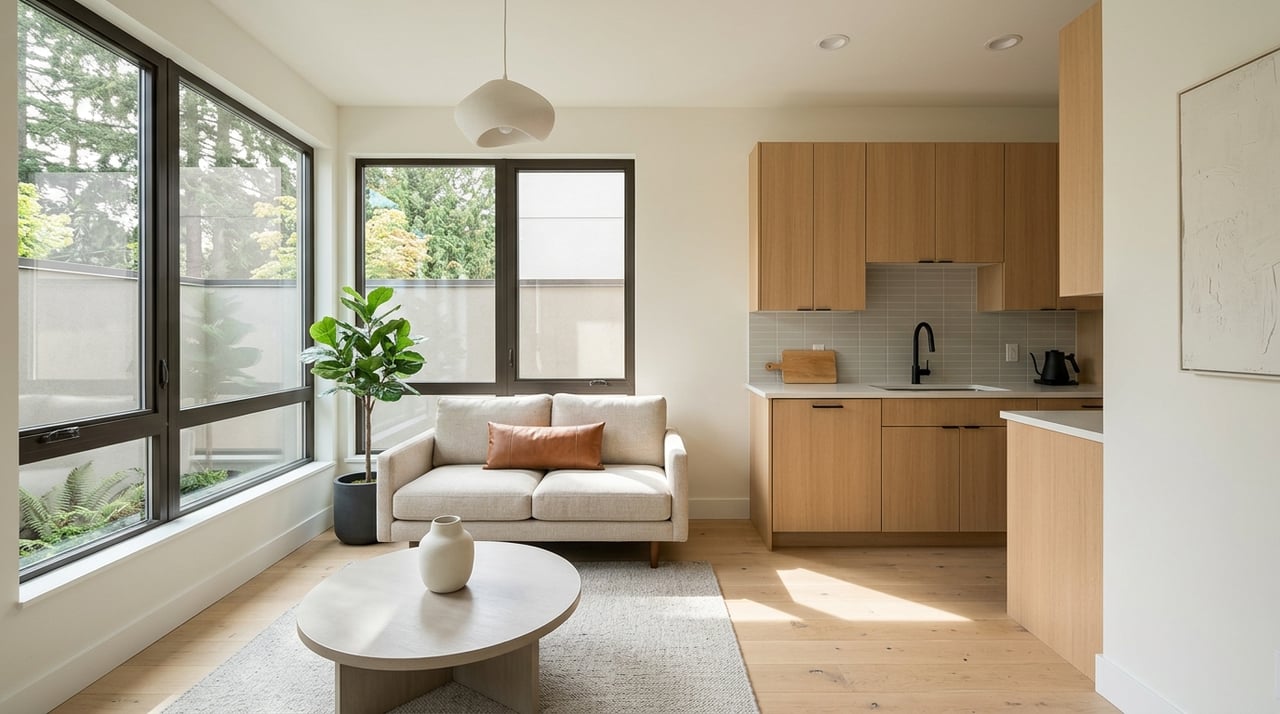
In Newcastle condos and townhomes, staging should help buyers understand how the home lives. The goal is not to fill every room. The goal is to make the space feel bright, functional, and easy to imagine using every day.
NAR's staging guidance notes that oversized furniture can make rooms feel smaller and awkward layouts can confuse buyers. That is especially relevant in attached homes, where room size and flow can have an outsized effect on buyer perception.
A smart staging plan often focuses on:
- Clear walking paths
- Right-sized furniture
- Defined room purpose
- Clean surfaces
- Bright, simple styling
- Strong presentation of the living room, primary bedroom, and kitchen
National survey data also suggests buyers are increasingly open to smaller homes and smaller room sizes. That means functional layout can matter as much as square footage, especially when your home is presented clearly.
Staging can also be a practical investment. In NAR's 2025 report, 29% of sellers' agents said staging increased dollar value offered by 1% to 10%, and 30% reported slight reductions in time on market. The median spend on a staging service was $1,500.
A practical listing timeline
If you want a smoother sale, it helps to think about your listing in the right sequence. For a Newcastle townhome or condo, that usually means getting ahead of the questions buyers will ask.
1. Gather core property details
Start with the basics of your unit and your community. Confirm dues, what they cover, any recent increases, known repairs, insurance details, and whether there are open violations or restrictions that may affect a buyer's decision.
2. Order resale documents early
Because the association may take up to 10 days to provide the resale certificate, early ordering can help you stay ahead of the transaction timeline. This is one of the simplest ways to reduce avoidable delays.
3. Review budgets and reserves
Look closely at the operating budget, reserve-study status, special assessments, and any anticipated major projects. These details can influence both pricing strategy and buyer confidence.
4. Prepare the home for photos
Declutter, simplify, and make each room's purpose obvious. In an attached home, clean visuals and functional flow often make a bigger impact than heavy decorating.
5. Build a strong digital launch
Professional photography and polished marketing are especially helpful for condos and townhomes. Since many buyers will meet your home online first, your launch should make the layout, condition, and lifestyle feel easy to understand.
6. Be ready for detailed buyer questions
Once your home is live, expect questions not just about finishes and move-in timing, but also about dues, assessments, reserves, insurance, and restrictions. Fast, clear answers can keep momentum going.
What sellers should take away
If you are listing a Newcastle townhome or condo, the process may feel more layered than a typical home sale, but that does not have to be a bad thing. When you prepare early, price thoughtfully, and organize your HOA documents before buyers ask for them, you create a smoother path from listing to closing.
In this market, success is rarely about one single factor. It is usually the combination of credible pricing, clean presentation, and complete association information that helps attached homes stand out.
If you want expert help preparing your Newcastle condo or townhome for market, Abby Quinto offers a hands-on, client-first approach with local Eastside insight, clear communication, and polished listing presentation.
FAQs
What should sellers expect when listing a Newcastle condo or townhome?
- Expect a sale process that includes pricing strategy, staging, buyer due diligence, and more HOA-related paperwork than many detached-home sales.
What documents matter most for a Newcastle attached-home sale?
- The seller disclosure statement and the resale certificate are key documents, along with budgets, reserve information, meeting minutes, insurance details, and governing documents.
Why do buyers ask about HOA reserves and special assessments in Newcastle?
- Buyers and lenders review association finances closely because reserve strength, planned repairs, and special assessments can affect affordability, risk, and closing confidence.
How long does a resale certificate take for a Newcastle condo sale?
- Washington law states that the association must furnish the resale certificate within 10 days after the owner's request.
Does staging really help a Newcastle townhome or condo sell?
- Yes. Staging can help buyers visualize the space, highlight layout and function, and support stronger online presentation for smaller attached homes.
Can financing affect a Newcastle condo or townhome listing?
- Yes. Some attached homes require project-level lender review, so buyers may ask early about project eligibility, reserve information, and other association details.