If you want mountain scenery to feel like part of your daily routine, North Bend deserves a closer look. For many buyers, the appeal is not just the dramatic backdrop. It is the way trails, parks, open space, and a small-town setting all connect to everyday life while still keeping you within reach of major job centers. This guide will help you understand what life with mountain views in North Bend, WA can actually look like, from recreation and neighborhood feel to climate and commute context. Let’s dive in.
Why North Bend Stands Out
North Bend is officially framed by the city as a mountain town and gateway to the Cascades. That identity shows up in how the city talks about downtown, Meadowbrook Farm, Riverfront Park, and the trail network as part of the local lifestyle, not just attractions for occasional visits.
For buyers who work in the broader Eastside market, location is a big part of the draw. According to the city’s economic development overview, North Bend is about a 35-minute drive from downtown Seattle and about 25 minutes from Bellevue. That gives you a setting many people see as more scenic while still connected to regional employment hubs.
Mountain Views Shape Daily Life
In North Bend, mountain views are not limited to a few special overlooks. They influence how many parts of the city feel, especially in places tied to open space, parks, and neighborhood streets with sightlines toward Mount Si and the Cascade Range.
The city specifically highlights Meadowbrook Farm for its sweeping views of Mount Si and the Cascades. It also points to the Mount Si trailhead area as a major regional draw that attracts more than 100,000 visitors annually, which tells you just how central the mountain setting is to North Bend’s identity.
That matters when you are choosing where to live. In some towns, scenery is something you drive to. In North Bend, it is more often part of the background of a walk, bike ride, park visit, or trip into downtown.
Outdoor Access Is Built In
One of the strongest lifestyle advantages in North Bend is how close recreation sits to residential areas. The city describes its parks and trails as supporting hiking, fishing, bicycling, climbing, river sports, wildlife observation, and scenic views, often within a short walk or bike ride of residents’ front doors.
According to the city’s parks and trails resources, the local and nearby recreation network includes:
- Meadowbrook Farm
- Riverfront Park
- Torguson Park
- Tollgate Farm
- Si View Park
- Snoqualmie Valley Trail
- Mount Si
- Little Si
- Olallie State Park
- Rattlesnake Lake
- Mount Baker-Snoqualmie National Forest
- Summit at Snoqualmie
If you are looking for a home where outdoor time feels easy to fit into your schedule, North Bend offers a compelling setup. You may be able to go from your front door to a trail, park, or open space much faster than in more built-up parts of the region.
The Snoqualmie Valley Trail Connection
The Snoqualmie Valley Trail is especially important to how North Bend functions day to day. It runs 31 miles from Duvall to Rattlesnake Lake and crosses the full east-west length of North Bend.
Locally, it links places such as Meadowbrook Farm, downtown, Torguson Park, North Bend Elementary, and the North Bend Library. At Rattlesnake Lake, it connects to the John Wayne Pioneer Trail. For buyers who value non-car access to parks and community destinations, that is a meaningful part of the lifestyle picture.
What the Seasons Feel Like
North Bend’s year tends to follow a familiar western Washington rhythm: wet, cool late fall and winter, then a much drier summer. Using Seattle Boeing Field as a regional proxy, climate data from Time and Date shows January averages of 48°F and 37°F, November as the wettest month at 5.10 inches of precipitation, and July and August average highs of 77°F with less than 0.6 inch of precipitation.
Time and Date also notes that Seattle Boeing Field is 24 miles from North Bend, so this should be read as regional context rather than a precise North Bend microclimate. Still, it gives you a useful sense of the seasonal pattern you can expect.
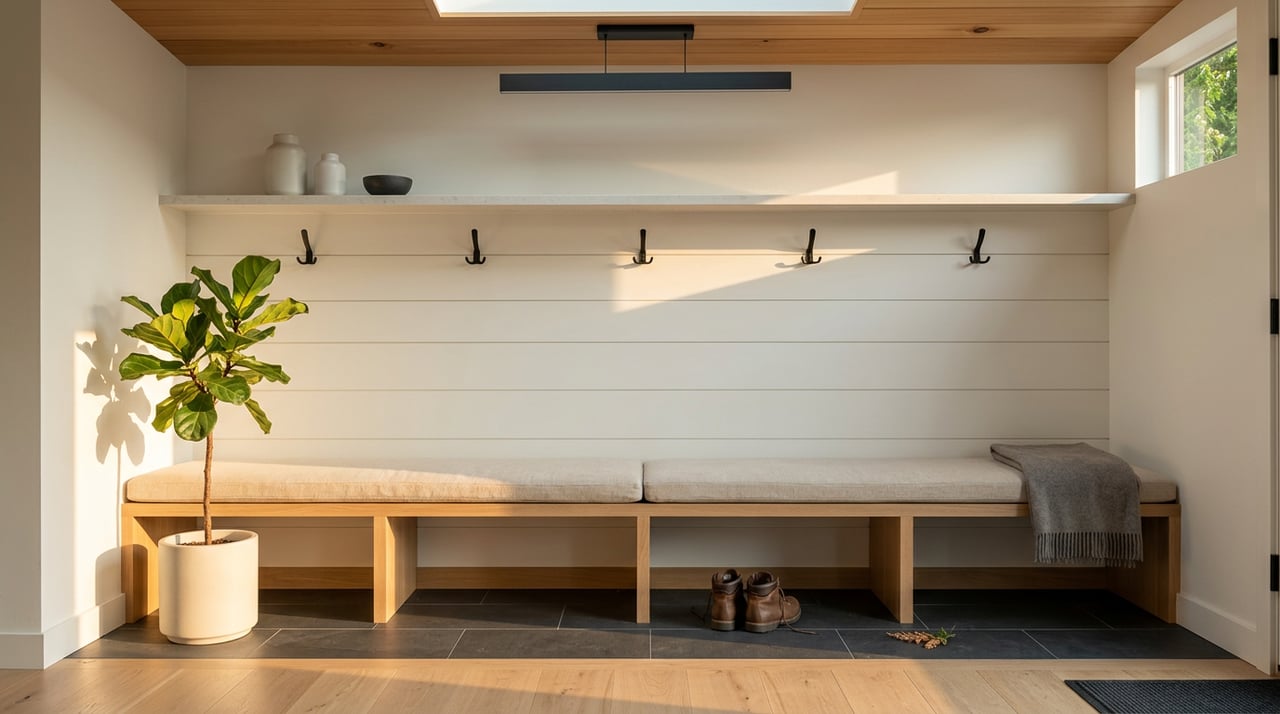
For everyday homeownership, that often means planning for practical details like rain management, storage for wet gear, and flexible outdoor spaces that work across changing seasons. In a place where outdoor recreation is such a big part of life, those details matter more than many buyers first expect.
North Bend Neighborhood Feel
Even with a shared mountain backdrop, North Bend does not feel the same from one area to the next. The city’s Housing and Land Use Elements emphasize support for a variety of housing types, densities, and lifestyle choices, which helps explain why different residential pockets can appeal to different buyers.
If you are searching here, it helps to think less in terms of one single North Bend experience and more in terms of several distinct settings tied to parks, trails, open space, and downtown access.
Downtown North Bend
The city describes downtown as the historic commercial downtown and original town plat, with a mix of commercial and residential uses. It is the most compact and mixed-use setting in town.
For a buyer, this can point to a more walkable town-center experience. The city also notes that downtown code allows new small multifamily and mixed-use buildings while requiring balconies and terracing to preserve mountain views, which reinforces how important the scenery is even in more compact development.
Forest Service and Mount Si Area
Just southeast of downtown, the Forest Service/Mount Si neighborhood has a more transitional feel. The city describes it as a mixed residential-commercial area, with most residential uses south of North Bend Way and commercial uses north of it.
The city also envisions redevelopment here that includes cottage housing and mixed use. It specifically calls out the area’s scenic qualities and views toward Mount Si and the Middle Fork corridor, which may appeal if you want a location with a strong visual connection to the landscape.
More Traditional Residential Areas
South and west of downtown, several neighborhoods are described as more conventionally residential. Opstad, Si View, Maloney Grove, and much of Riverbend are characterized by lower-density or single-family housing, while Forster Woods includes both single-family and multi-family homes.
These areas may be a fit if you want a more neighborhood-oriented residential setting while still staying close to parks, trails, and downtown amenities. North Bend also notes that newer subdivisions include about 10 privately maintained pocket parks, which can help newer areas feel more neighborhood-scaled.
Meadowbrook and Tollgate
Meadowbrook/Tollgate offers a different feel again. The city says this area is shaped around preserved farm and open-space land and is intended to protect scenic, historic, and cultural resources.
If your vision of North Bend includes open views and a stronger connection to preserved landscape, this part of town may stand out. It reflects the side of North Bend that feels especially rooted in scenery and open space.
What Buyers Should Consider
A mountain-view lifestyle can be rewarding, but it also comes with practical tradeoffs. When you are comparing homes in North Bend, it helps to look beyond the view itself and think about how the setting supports your routine.
Here are a few smart questions to ask:
- How close do you want to be to downtown versus trails and open space?
- Do you prefer a compact, mixed-use setting or a lower-density residential pocket?
- How important is walk or bike access to parks and trail connections?
- Does the home offer storage and layout that fit a four-season outdoor lifestyle?
- How does the commute to Bellevue, Seattle, or other work destinations fit your schedule?
The right answer depends on your lifestyle. Some buyers want easy trail access and a quieter residential setting, while others want to be closer to downtown and community destinations.
Why North Bend Appeals to Eastside Buyers
For many people, North Bend offers a combination that can be hard to find elsewhere. You get a city that the local government clearly positions around mountain-town identity, recreation, and scenery, while still being connected to the larger Seattle and Bellevue economy.
That blend can be especially appealing if you are relocating within the Eastside or looking for a home that changes how your day feels, not just where you sleep at night. Instead of treating mountain views as a weekend luxury, North Bend makes them part of the everyday backdrop.
Planning Your Move With Confidence
If North Bend is on your shortlist, the next step is to narrow in on the kind of daily life you want. A home near downtown can feel very different from one near preserved open space or in a more traditional residential pocket, even though both share the same broader setting.
Working with a local agent who can help you compare neighborhood feel, access points, and housing options can make that process much easier. If you want help exploring North Bend and the greater Eastside, connect with Abby Quinto for thoughtful, client-first guidance tailored to your goals.
FAQs
What makes North Bend, WA appealing for mountain views?
- North Bend is described by the city as a mountain town and gateway to the Cascades, with scenery tied to everyday places like downtown, Meadowbrook Farm, parks, and trails.
How close is North Bend, WA to Seattle and Bellevue?
- According to the city, North Bend is about a 35-minute drive from downtown Seattle and about 25 minutes from Bellevue.
What outdoor recreation is available in North Bend, WA?
- North Bend’s parks and trail network support hiking, fishing, bicycling, climbing, river sports, wildlife observation, and scenic views, with access to places like Mount Si, Little Si, Rattlesnake Lake, and the Snoqualmie Valley Trail.
What is the neighborhood feel like in North Bend, WA?
- North Bend includes several distinct residential pockets, from the more compact and mixed-use downtown area to lower-density residential neighborhoods and open-space-oriented areas like Meadowbrook/Tollgate.
What is the weather like in North Bend, WA?
- Regional climate data shows cool, wetter late fall and winter and drier summers, with January averaging 48°F and 37°F and July and August averaging 77°F highs.
What should homebuyers consider when moving to North Bend, WA?
- It helps to compare commute needs, trail and park access, neighborhood setting, and whether a home’s layout supports a four-season Pacific Northwest lifestyle.